From Vietnam Idol to West Hollywood: Producing Lê Khoa’s “SPIT”
Updated: Jul 27
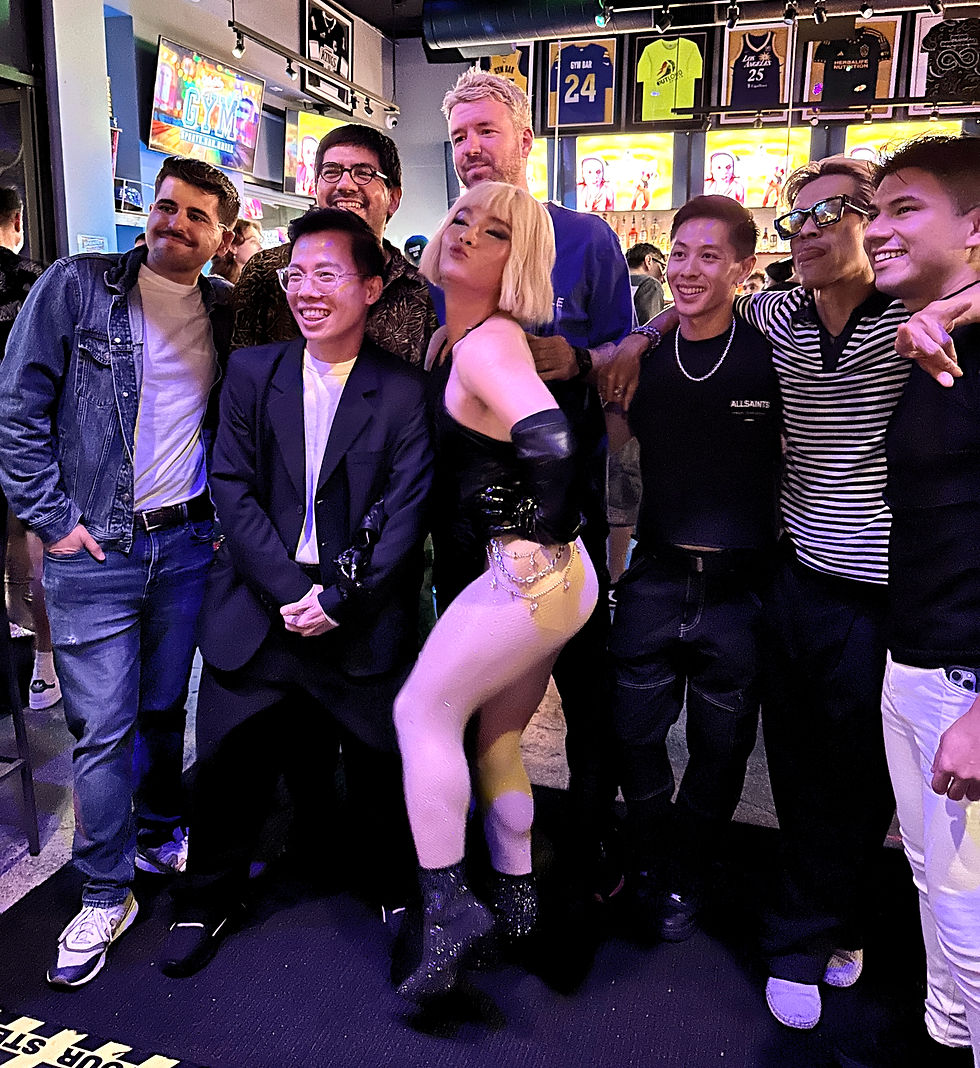
In August 2025, Lê Khoa premiered the official music video for “SPIT” at GYM Bar in West Hollywood. The event presented the finished project as it was meant to be experienced: music, choreography, fashion, movement, and Lê Khoa’s unmistakable stage presence working together.
From Vietnam Idol to West Hollywood: Producing Lê Khoa’s “SPIT”
For me, the premiere represented the latest stage of a collaboration that had already developed across several releases.
I composed and arranged the music for “SPIT” and worked as the track’s producer, recording engineer, and mixing engineer. Lê Khoa wrote the lyrics, performed the vocals, co-produced the record, and later co-directed the video with Chris Rodriguez.
By the time we created “SPIT,” we had developed a shared understanding of the sound and artistic identity we wanted to build.
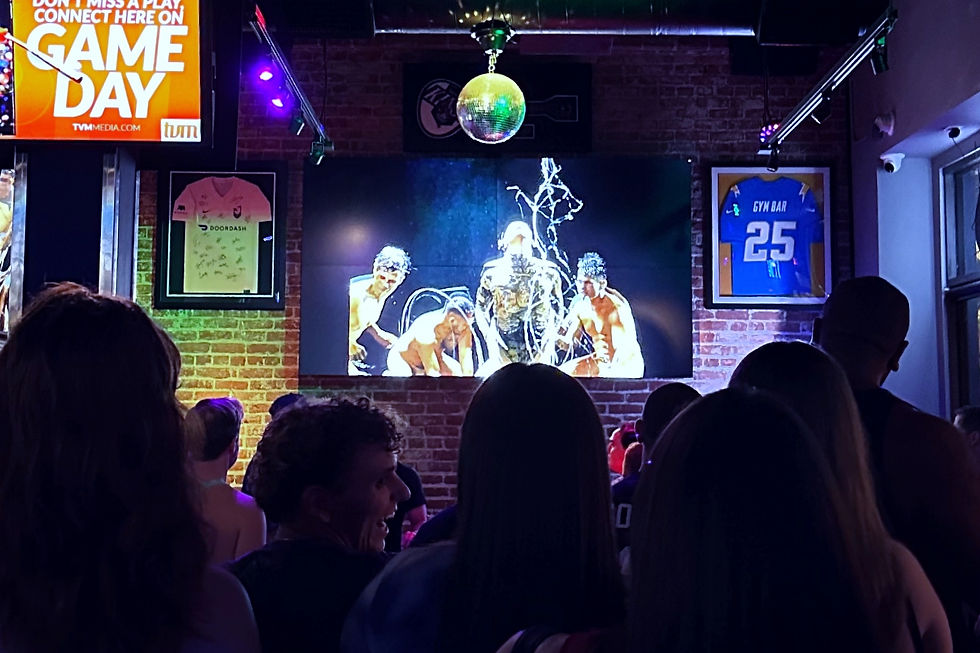
Lê Khoa Premieres “SPIT” Official Music Video
Developing Lê Khoa’s Sound Across Several Releases
Our collaboration reached a wider audience in 2023 through “I Won’t Give Up,” which Lê Khoa performed during Vietnam Idol.
The track combined electronic pop, ballroom, and house influences with a message about perseverance and the courage to remain yourself despite social pressure. The performance helped Lê Khoa reach the Vietnam Idol Top 10 and introduced a national audience to his distinctive voice, visual identity, and performance style.
We continued developing that direction through “Nobody Like You” and “All Killer No Filler.” Each project taught us more about the relationship between his voice, movement, personality, and electronic production.
“SPIT” was the next step. It was sharper, more physical, and more confrontational.
Turning the Song’s Message into Sound
“SPIT” addresses stereotypes and the pressure to conform to other people’s expectations. Its central message is direct: people will judge, gossip, and try to define you, but they do not get to control who you become.
The production needed to carry that confidence.
I built the arrangement around a house foundation that gives Lê Khoa room to move and perform. The rhythm is strong without becoming overcrowded, while the vocal remains at the center of the record.
That balance was important. Lê Khoa’s delivery moves between singing, attitude, theatrical expression, and rhythmic phrasing. If the instrumental contained too many competing elements, it would weaken the performance. If it were too restrained, the song would lose the physical energy required for choreography and live presentation.
My task was to give the track enough structure and power to support his personality without making it sound conventional.

Producing for Voice, Movement, and Image
Lê Khoa is not an artist whose music can be separated from his visual presentation. Fashion, movement, and performance are part of the way he communicates.
For “SPIT,” the arrangement needed clear rhythmic accents and transitions that could later support choreography and video editing. The track had to work through speakers and headphones, but it also needed to give dancers something physical to respond to.
As recording engineer, I focused on preserving the authority of Lê Khoa’s vocal. The lyrics confront stereotypes directly, so the voice could not feel distant or hesitant. It had to remain present and intelligible even when the production reached its most energetic sections.
The mix brought these elements together: a controlled house groove, a distinctive vocal performance, and enough space for the record to breathe.
From the Studio to the “SPIT” Music Video
The visual team expanded the song’s message through choreography, styling, and screen performance.
Lê Khoa co-directed the official video with Chris Rodriguez. Alan Medina served as producer, MAC of Uprise Imaging was director of photography, and Bryan Brone directed the choreography and movement.
The “SPIT (Video Edit)” was released on July 25, 2025, followed by the full single on August 8. The official metadata credits Lê Khoa for lyrics, vocals, and co-production, while I am credited as composer, arranger, producer, recording engineer, and mixing engineer.
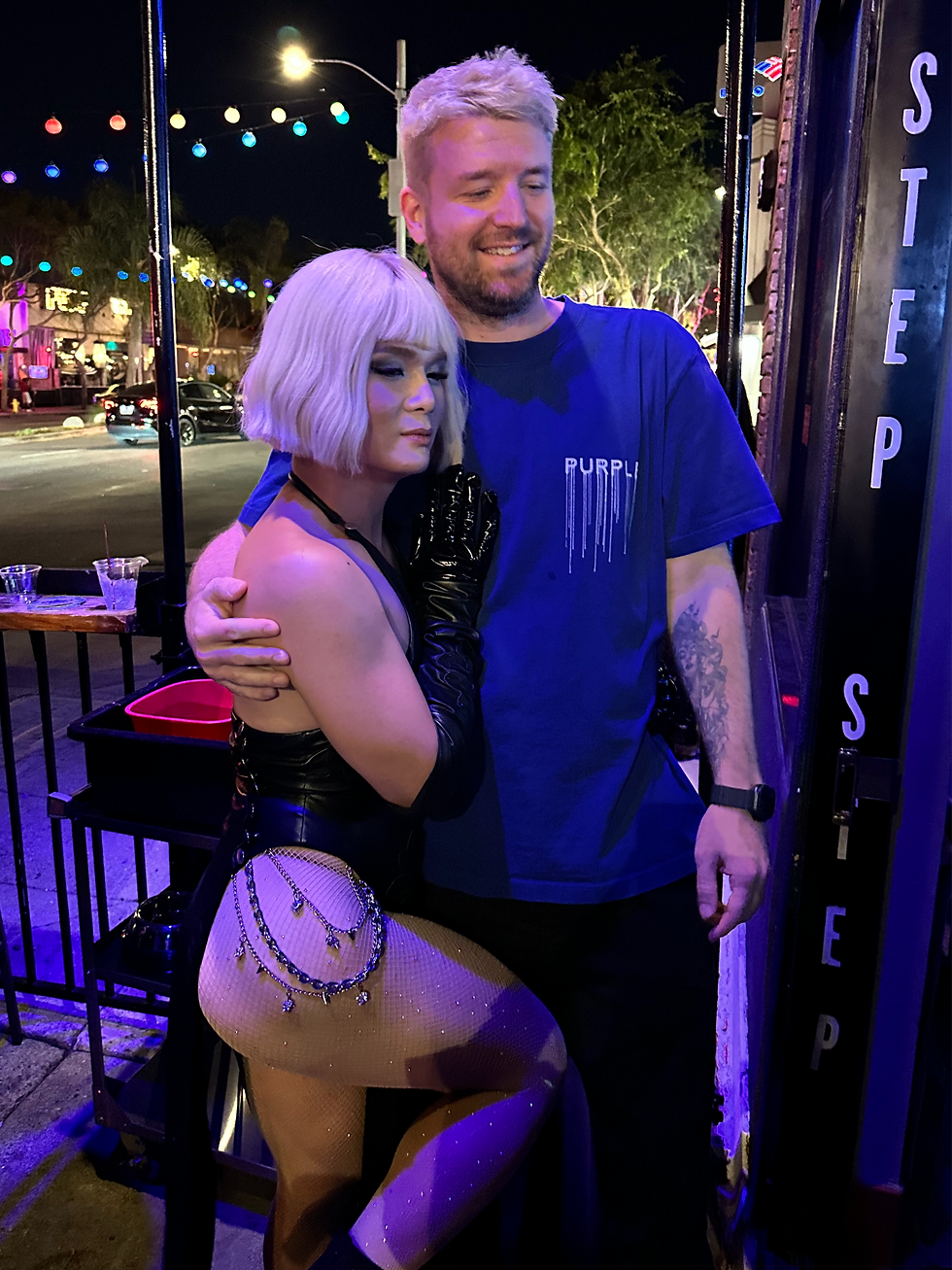
Its premiere at GYM Bar placed the project inside the cultural environment that suited it. West Hollywood is closely connected with music, nightlife, queer culture, fashion, and self-expression. Presenting “SPIT” there gave the song a community context that an online release alone could not provide.
What Long-Term Collaboration Changes
A producer can complete a track relatively quickly. Developing an artist’s sound requires time.
Our earlier work established the foundation. “I Won’t Give Up” introduced a new direction to a large television audience. The following releases allowed us to test and expand that sound.
By “SPIT,” Lê Khoa’s musical and visual identity had become more defined and confident.
That history made our decisions more precise. I already understood which qualities in his voice should remain untouched, how much space his performance required, and how electronic production could strengthen his personality without overwhelming it.
“SPIT” was therefore more than an individual studio project. It captured the progress of a collaboration that had grown through multiple songs, audiences, and stages—from Vietnam Idol to an independent video premiere in West Hollywood.
The producer’s job is not simply to deliver a polished recording. It is to recognize what makes an artist distinctive and build a sound that allows the audience to recognize it too.

Comments